
Geometric Patterns In Nature
Geometric Patterns In Nature - Web the science behind nature’s patterns. Web patterns can be seen everywhere: The fibonacci spiral is created by combining the two previous numbers in the fibonacci sequence. Why are spirals so abundant in nature? Natural patterns include symmetries , trees , spirals , meanders , waves , foams , tessellations , cracks and stripes. Web types of patterns found everywhere in nature include symmetry, branching, spirals, cracks, spots, stripes, chaos, flows, meanders, waves, dunes, bubbles, foam, arrays, crystals, and tilings. Web moving beyond planar worlds, in the 19th and 20th centuries the study of curved surfaces became the focus of geometry, especially of differential geometry. You can find them in succulent growth spirals (below) and ferns, or in how tree branches grow. Web patterns in nature are visible regularities of form found in the natural world. Many of these can be described using fractal geometry. When seen up close, snowflakes have incredibly perfect geometric shapes. Everything around us is in perfect order. Web there are many geometric shapes in nature, including hexagons in beehives, stars in starfish, spheres like the sun, moon, and earth, and patterns on snakes and butterflies. Examples of the fibonacci spiral in nature. Web snail shells, flower petals, pine cones, snakes, storms, dna, curly hair, even galaxies are spirals—and that’s not even nearly all! Web the science behind nature’s patterns. Web fractals are known as geometric shapes that display similarity through the full range of scale—that is, they look the same no matter how big or how small they are. Web geometry is a ubiquitous feature in nature, manifesting in various forms and patterns. The universe we live in is full of synchronistic geometry, ranging from tiny molecules to. Web moving beyond planar worlds, in the 19th and 20th centuries the study of curved surfaces became the focus of geometry, especially of differential geometry. Natural elements like leaves and snowflakes showcase complex, captivating, intricate geometric shapes and patterns. Web sacred geometry in nature shows up in various formations, including hurricanes and snow. Web moving beyond planar worlds, in the 19th and 20th centuries the study of curved surfaces became the focus of geometry, especially of differential geometry. Web types of patterns found everywhere in. These patterns exist in almost everything around you. Many of these can be described using fractal geometry. These patterns are found in nature, used by artists and architects and studied for their mathematical. Why are spirals so abundant in nature? Web this gallery of submissions to the 2019 national geographic travel photo contest reveals natural patterns and designs that captured. Have you ever observed the similarity between the shape of your lungs and the structure of a tree? Web repeating patterns in nature, such as the symmetrical arrangement of petals on a flower or the regular series of notches on a pine cone, help us to find logic and order in our lives. Web sacred geometry in nature shows up. And they are, in fact,. Why are spirals so abundant in nature? Web ball presents a rich variety of patterns that exist in nature and the common principles that explain them, even when they appear in unrelated circumstances. Web understanding geometric shapes in nature and the science behind it can explain how other living things grow and thrive. Web the. In animals, vegetables and minerals. Natural elements like leaves and snowflakes showcase complex, captivating, intricate geometric shapes and patterns. Web this gallery of submissions to the 2019 national geographic travel photo contest reveals natural patterns and designs that captured the eyes—and lenses—of photographers from around the world. When seen up close, snowflakes have incredibly perfect geometric shapes. Web repeating patterns. Natural elements like leaves and snowflakes showcase complex, captivating, intricate geometric shapes and patterns. Web if you look around, you can find many examples of geometric patterns in nature, each with its unique combination of dimensions, colors, and shapes. Why are spirals so abundant in nature? The universe we live in is full of synchronistic geometry, ranging from tiny molecules. Web fractals are known as geometric shapes that display similarity through the full range of scale—that is, they look the same no matter how big or how small they are. Web this gallery of submissions to the 2019 national geographic travel photo contest reveals natural patterns and designs that captured the eyes—and lenses—of photographers from around the world. These patterns. How do creatures living on a surface. Web patterns can be seen everywhere: You can find them in succulent growth spirals (below) and ferns, or in how tree branches grow. These patterns recur in different contexts and can sometimes be modelled mathematically. Web there are many geometric shapes in nature, including hexagons in beehives, stars in starfish, spheres like the. Natural patterns include symmetries , trees , spirals , meanders , waves , foams , tessellations , cracks and stripes. Web fractals are naturally occurring patterns that you can find in nature. Web tessellation is a repeating pattern of the same shapes without any gaps or overlaps. Web geometry is a ubiquitous feature in nature, manifesting in various forms and. Patterns, in general, have a certain regularity within themselves and have a. Web tessellation is a repeating pattern of the same shapes without any gaps or overlaps. Explore the intricate designs that govern the natural world and gain insights into the beauty and complexity of mathematical principles in our environment. Web patterns can be seen everywhere: Web understanding geometric shapes. Examples of the fibonacci spiral in nature. Web tessellation is a repeating pattern of the same shapes without any gaps or overlaps. Web fractals are known as geometric shapes that display similarity through the full range of scale—that is, they look the same no matter how big or how small they are. And they are, in fact,. Web discover the fascinating mathematical patterns in nature, from the fibonacci sequence and the golden ratio to fractals, symmetry, tessellations, voronoi diagrams, chaos theory and more. It can help explain the way galaxies spiral, a seashell curves, patterns replicate, and rivers bend. Web mathematics is visible everywhere in nature, even where we are not expecting it. These patterns are called fractals. Many of these can be described using fractal geometry. Web understanding geometric shapes in nature and the science behind it can explain how other living things grow and thrive. The universe we live in is full of synchronistic geometry, ranging from tiny molecules to. These patterns are found in nature, used by artists and architects and studied for their mathematical. Web moving beyond planar worlds, in the 19th and 20th centuries the study of curved surfaces became the focus of geometry, especially of differential geometry. The introduction sets the subject in context and shows the geometric designs in ancient architecture and in the natural world of the living and nonliving. Web fractals are naturally occurring patterns that you can find in nature. These patterns recur in different contexts and can sometimes be modelled mathematically.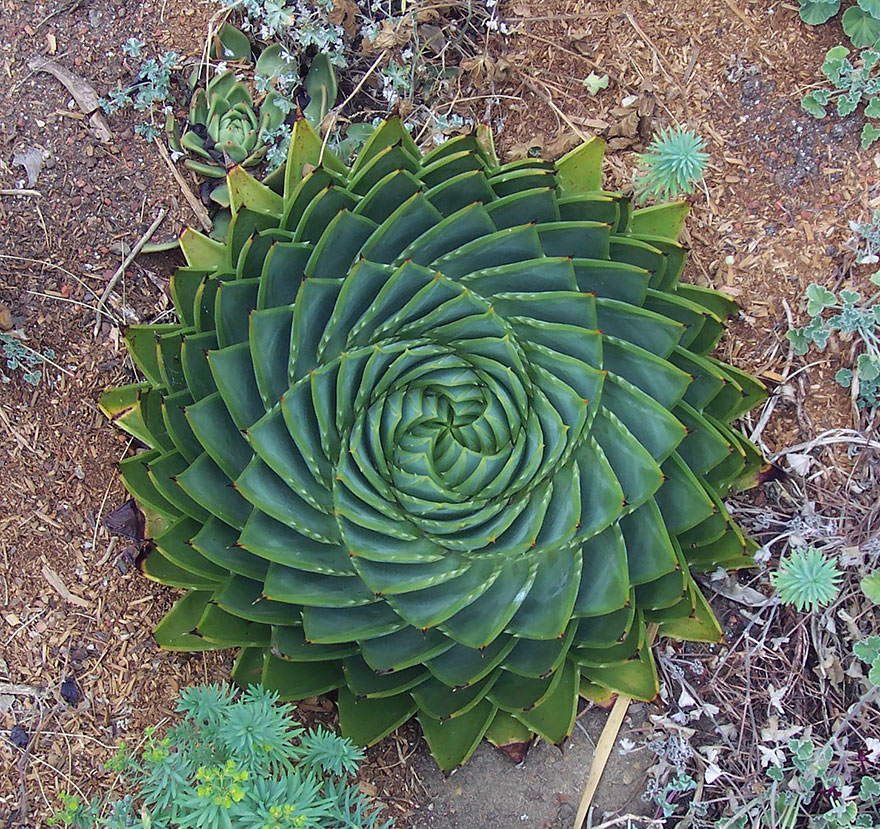
20+ Photos Of Geometrical Plants For Symmetry Lovers Bored Panda
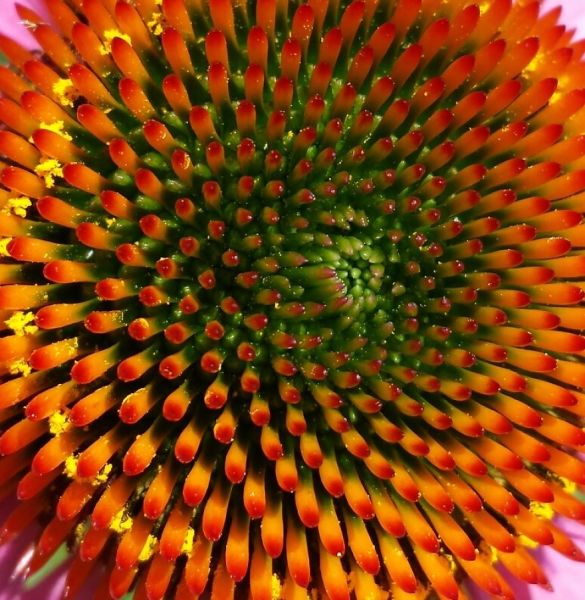
23 Glorious Photos That Capture the Geometry and Symmetry of Nature
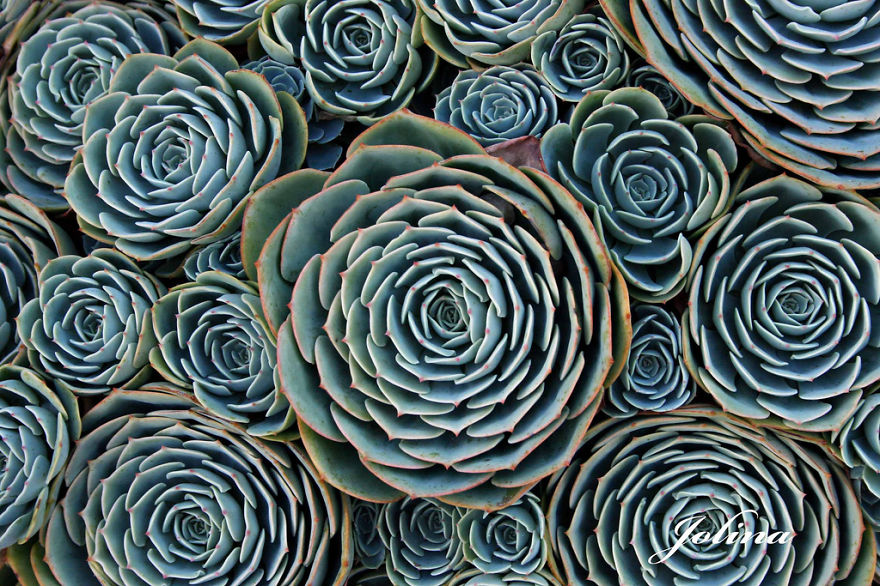
20+ Photos Of Geometrical Plants For Symmetry Lovers Bored Panda
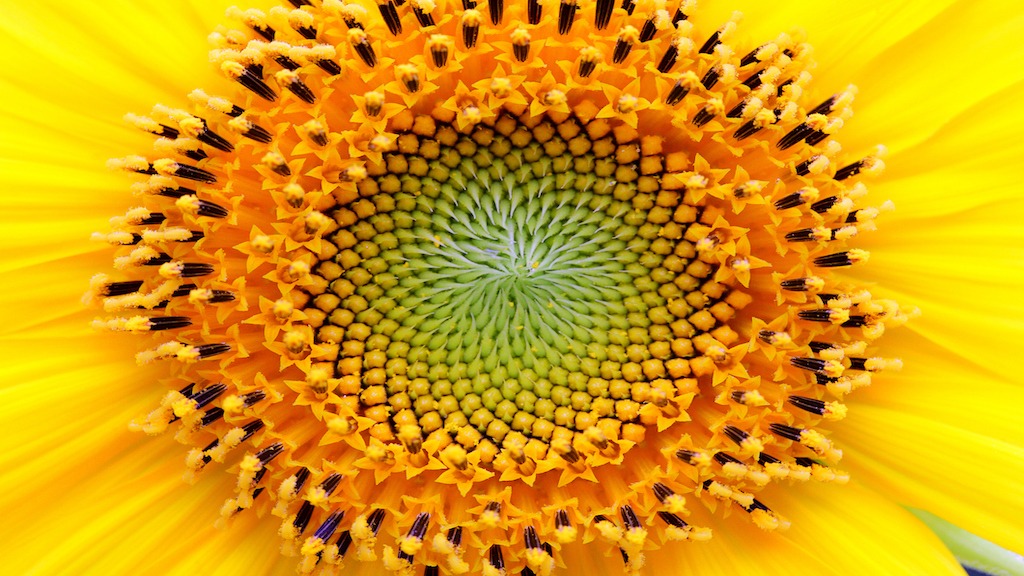
These Sacred Geometric Patterns Are Found Throughout Nature Gaia
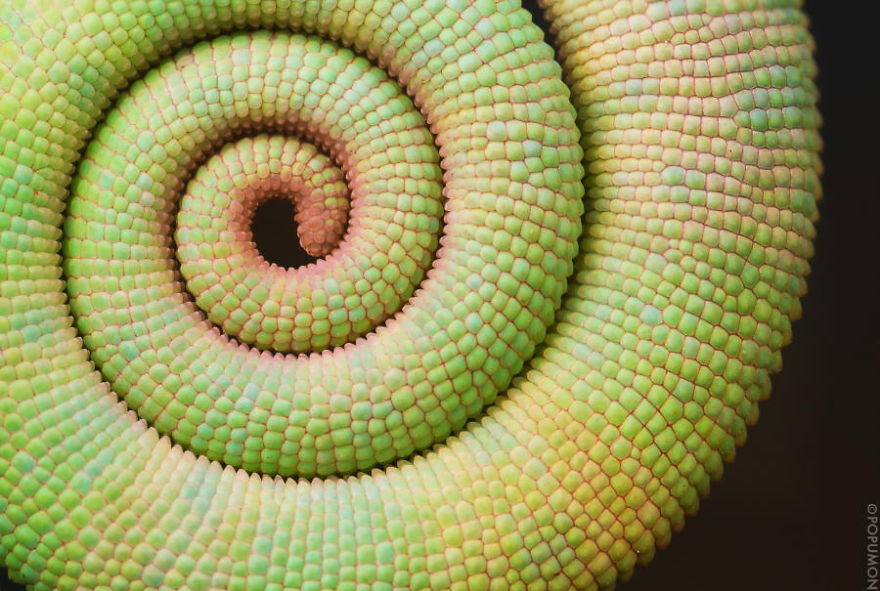
20+ Photos Of Geometrical Plants For Symmetry Lovers Bored Panda
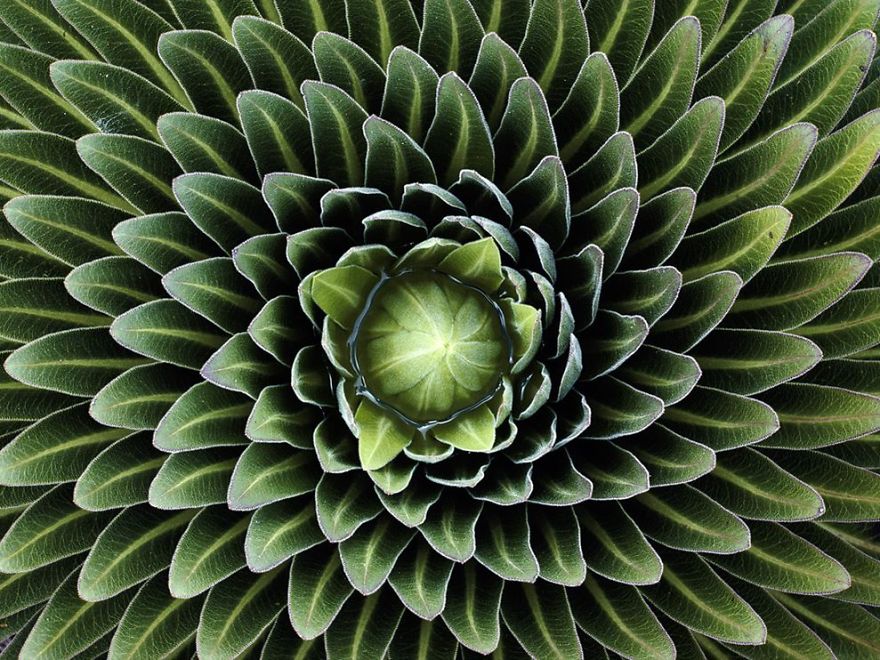
20+ Photos Of Geometrical Plants For Symmetry Lovers Bored Panda
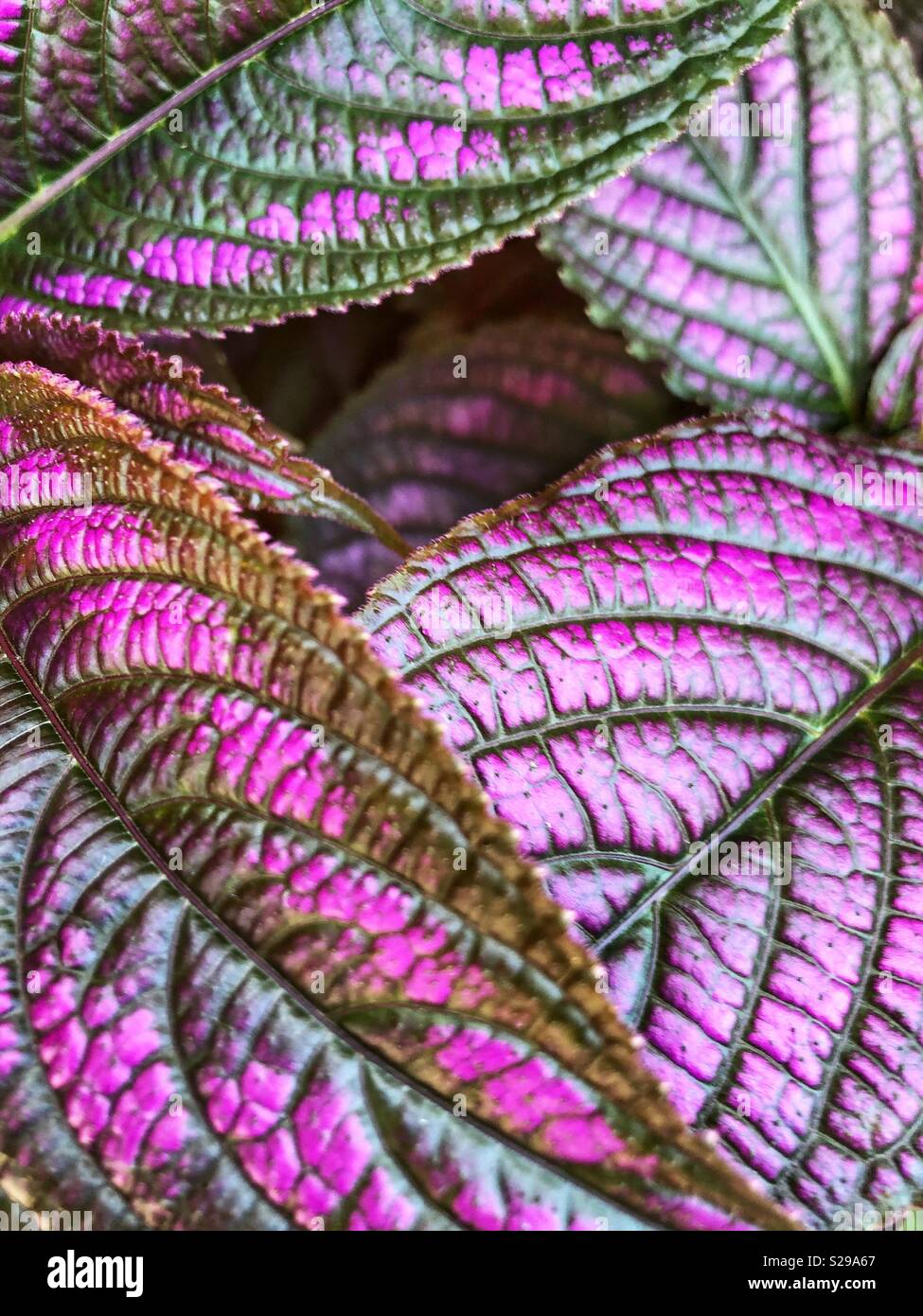
Geometric patterns in nature Stock Photo Alamy
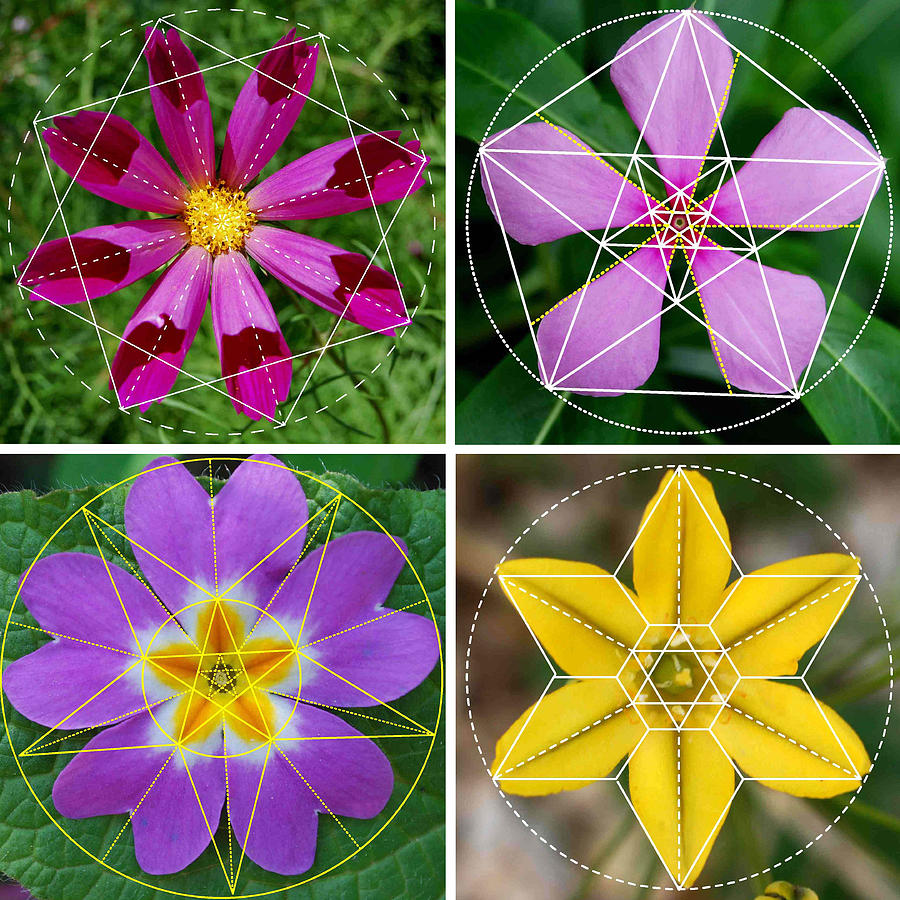
Geometric Patterns In Nature
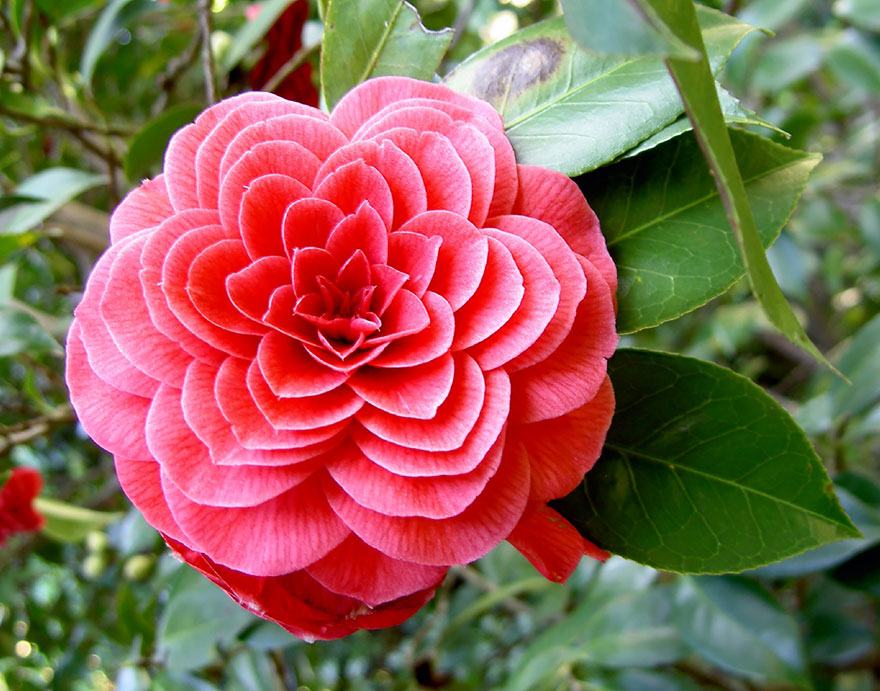
20+ Photos Of Geometrical Plants For Symmetry Lovers Bored Panda
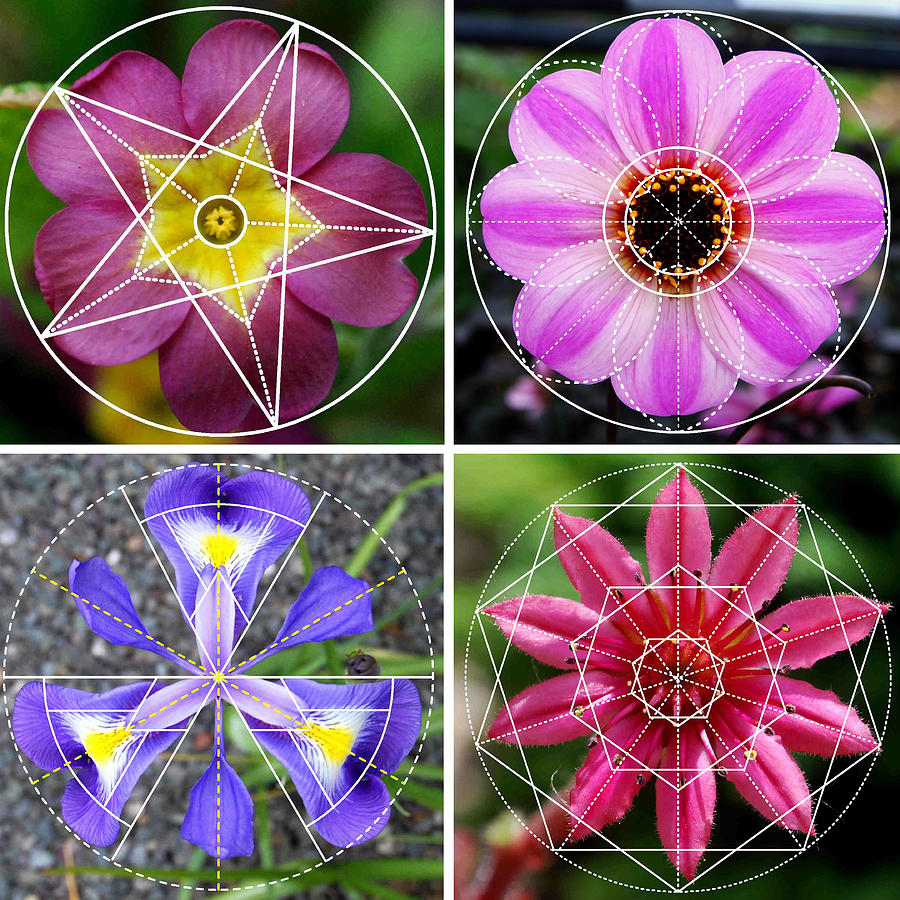
Geometric Patterns In Nature
No One Can Say For Certain, But A Possible Answer Is, Because Spirals Are The Smart Way To Grow!
The Fibonacci Spiral Is Created By Combining The Two Previous Numbers In The Fibonacci Sequence.
Have You Ever Observed The Similarity Between The Shape Of Your Lungs And The Structure Of A Tree?
You Can Find Them In Succulent Growth Spirals (Below) And Ferns, Or In How Tree Branches Grow.
Related Post: