
Si Joint Referral Pattern
Si Joint Referral Pattern - Web sacroiliac joint pain is most commonly felt in the low back and buttock but can also be referred into the thigh and leg. The variable patterns of pain referral observed may arise for several reasons, including the joint’s complex innervation, sclerotomal pain referral, irritation of adjacent structures, and varying locations. The purpose of this study is to summarize the current understanding of referred pain, including its pathogenesis, characteristics, diagnosis,. Web intensity mapping of pain referral areas in sacroiliac joint pain patients. Web the variable patterns of pain referral observed may arise for several reasons, including the joint's complex innervation, sclerotomal pain referral, irritation of adjacent structures, and varying locations of injury with the sacroiliac joint. The rest of the junction is comprised of an intricate set of ligamentous connections. Web si joint pain is commonly referred to the buttocks, lower lumbar region, groin, and lateral thigh. Web ed to the lumbar region and buttock. Diagnosis is made clinically with pain just inferior to the posterior superior iliac spine that is made worse with. Complex anatomy and broad pain referral pattern make diagnosis difficult. Web sacroiliac (si) joint injury is a common cause of low back pain. One common referral pattern is pain or discomfort in one or both buttocks. The spine and pelvis are connected by the sacroiliac joint. Web referred pain is a common but less understood symptom that originates from somatic tissues. It is usually caused by abnormal motion (i.e. Posterior pelvic joint pain a common name for si joint dysfunction. Web sacroiliac joint pain is most commonly felt in the low back and buttock but can also be referred into the thigh and leg. Sacroiliitis can cause pain and stiffness in the buttocks or lower back, and the. A comprehensive recognition of referred pain is important for clinicians when dealing with it. A complete history and physical examination are critical in differentiating other. Identifying three or more positive physical examination maneuvers for the sij improves examination sensitivity and specificity. Web sacroiliac joint dysfunction is a term used to describe the pain of the sacroiliac joint (si joint). The spine and pelvis are connected by the sacroiliac joint. Web sacroiliac joint dysfunction is a degenerative condition of the sacroiliac joint resulting in lower back. It is usually caused by abnormal motion (i.e. Web sacroiliac joint dysfunction is a degenerative condition of the sacroiliac joint resulting in lower back pain. Dimensionality, internal consistency, and item analysis of the national health and nutrition examination surveys activities of daily living instrument among patients with report of low back pain. Web sacroiliac (si) joint dysfunction is a common. Dimensionality, internal consistency, and item analysis of the national health and nutrition examination surveys activities of daily living instrument among patients with report of low back pain. Web patients with isolated si joint dysfunction often localize their pain inferior and medial to the psis. Web ed to the lumbar region and buttock. The purpose of this study is to summarize. If numbness and tingling or weakness is present, an alternative diagnosis should be considered. Pointing the finger to this area is the fortin finger test. Web sacroiliac joint (sij) pain refers to the pain arising from the sij joint structures. Web sacroiliac (si) joint injury is a common cause of low back pain. These joints sit where the lower spine. The spine and pelvis are connected by the sacroiliac joint. The variable patterns of pain referral observed may arise for several reasons, including the joint’s complex innervation, sclerotomal pain referral, irritation of adjacent structures, and varying locations. Patients with sacroiliac joint dysfunction describe their pain being aggravated by getting out of a chair, prolonged standing or sitting, with climbing stairs. Web the variable patterns of pain referral observed may arise for several reasons, including the joint's complex innervation, sclerotomal pain referral, irritation of adjacent structures, and varying locations of injury with the sacroiliac joint. Pointing the finger to this area is the fortin finger test. Localized pain is not always a reliable presentation, as a 2000 study reported 18 different. Web referred pain is a common but less understood symptom that originates from somatic tissues. One common referral pattern is pain or discomfort in one or both buttocks. Identifying three or more positive physical examination maneuvers for the sij improves examination sensitivity and specificity. Complex anatomy and broad pain referral pattern make diagnosis difficult. Web the variable patterns of pain. Web sacroiliac joint dysfunction is a term used to describe the pain of the sacroiliac joint (si joint). Web sacroiliac joint (sij) dysfunction is a common cause of low back pain in the athlete, especially in sports with repetitive, asymmetric loading. In reality, only the anterior third of the interface between the sacrum and ilium is a true synovial joint;. Diagnosis is made clinically with pain just inferior to the posterior superior iliac spine that is made worse with. Web sacroiliac joint (sij) pain refers to the pain arising from the sij joint structures. It can cause sharp, stabbing pain that starts in the hips and pelvis and radiates into the lower back and down the thighs. Pointing the finger. Web intensity mapping of pain referral areas in sacroiliac joint pain patients. Web sacroiliac (si) joint dysfunction describes pain due to abnormal movement (too much or too little) or misalignment of the si joint. Dimensionality, internal consistency, and item analysis of the national health and nutrition examination surveys activities of daily living instrument among patients with report of low back. Identifying three or more positive physical examination maneuvers for the sij improves examination sensitivity and specificity. Web si joint pain is commonly referred to the buttocks, lower lumbar region, groin, and lateral thigh. The variable patterns of pain referral observed may arise for several reasons, including the joint’s complex innervation, sclerotomal pain referral, irritation of adjacent structures, and varying locations. A complete history and physical examination are critical in differentiating other. Web referral patterns are important to understand in accurately diagnosing and treating sacroiliac joint dysfunction. Patients with sacroiliac joint dysfunction describe their pain being aggravated by getting out of a chair, prolonged standing or sitting, with climbing stairs or. The si joint lies between the iliac's articular surface and the sacral auricular surface. Web sacroiliac joint dysfunction is a degenerative condition of the sacroiliac joint resulting in lower back pain. Web ed to the lumbar region and buttock. Web patients with isolated si joint dysfunction often localize their pain inferior and medial to the psis. Web intensity mapping of pain referral areas in sacroiliac joint pain patients. Dimensionality, internal consistency, and item analysis of the national health and nutrition examination surveys activities of daily living instrument among patients with report of low back pain. The spine and pelvis are connected by the sacroiliac joint. The purpose of this study is to summarize the current understanding of referred pain, including its pathogenesis, characteristics, diagnosis,. This pain may worsen with prolonged sitting or standing and can resemble symptoms of sciatica. Diagnosis is made clinically with pain just inferior to the posterior superior iliac spine that is made worse with.
Sacroiliac Joint Dysfunction Presentation and Treatment Bone and Spine
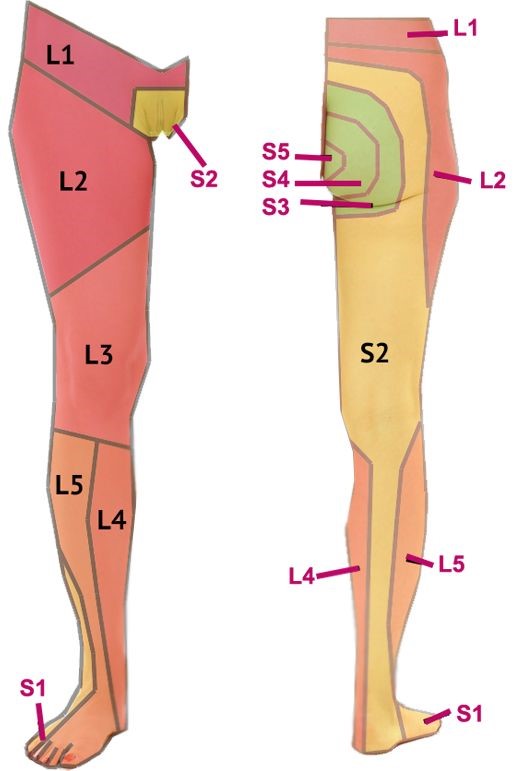
The Referral Patterns of the Sacroiliac Joint, Facet Joints, and
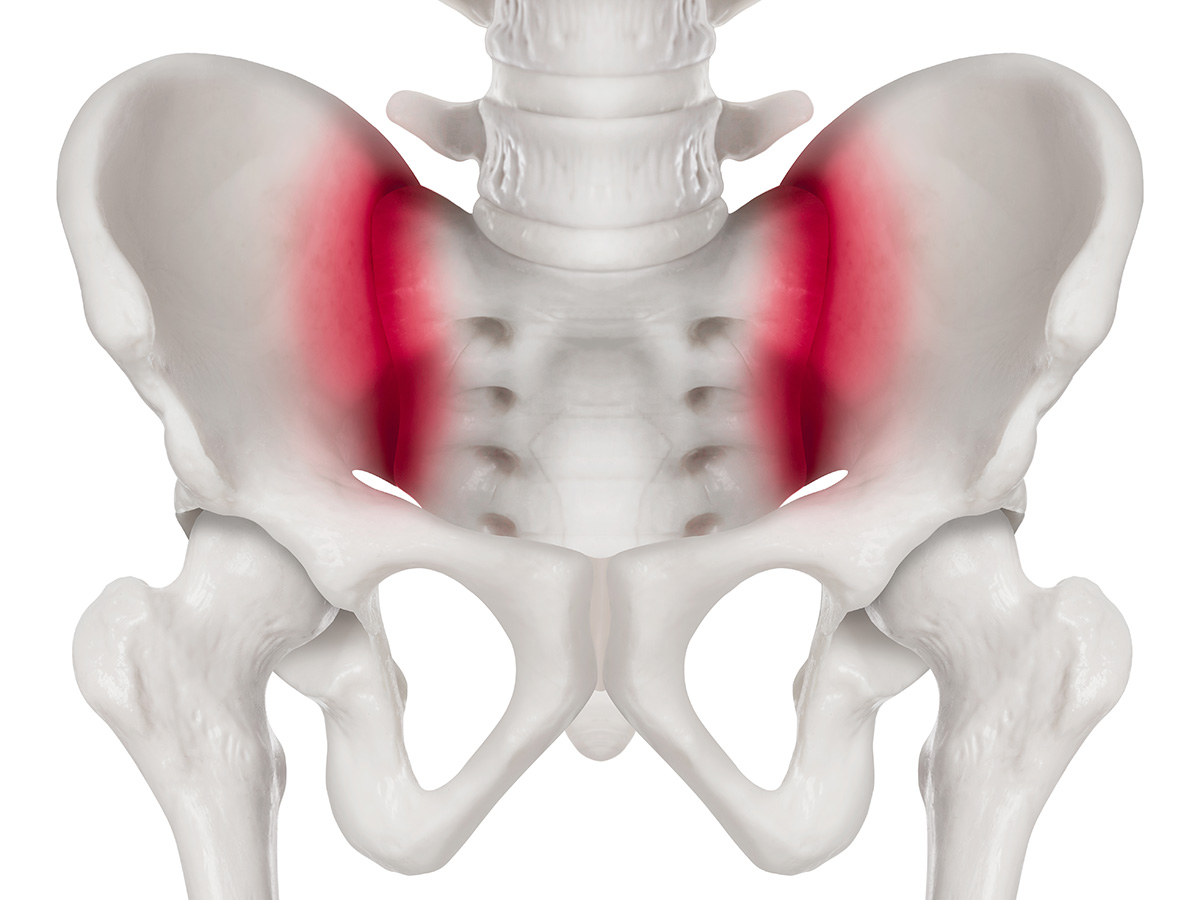
Sacroiliac Joint Dysfunction Dr Yu Chao Lee
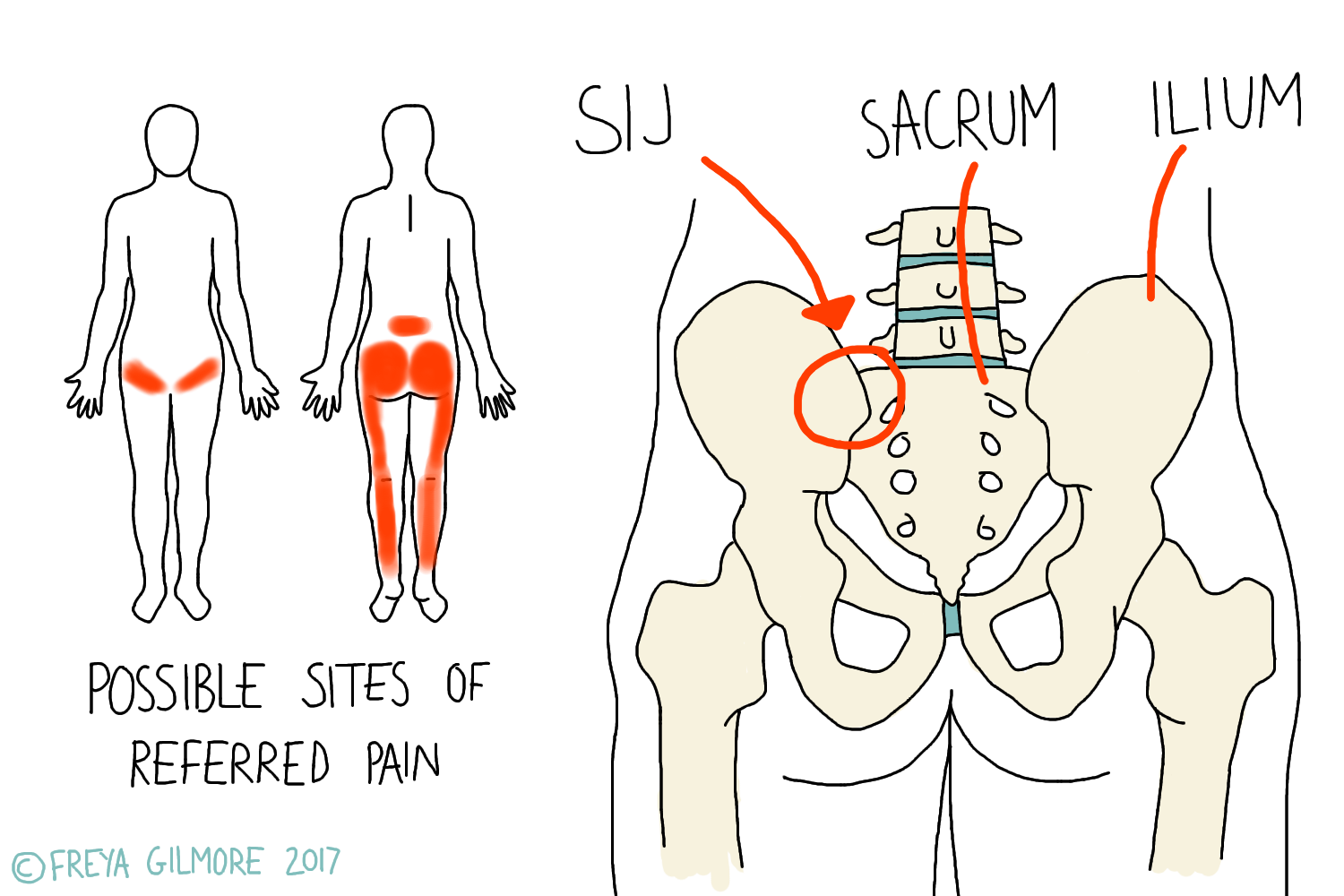
The Sacroiliac Joint (SIJ) Beth Forrest Osteopathy

Typical Pain Referral Pattern Of Sacroiliac Joint Pai vrogue.co

Sacroiliac Joint Pain Florida Orthopaedic Institute
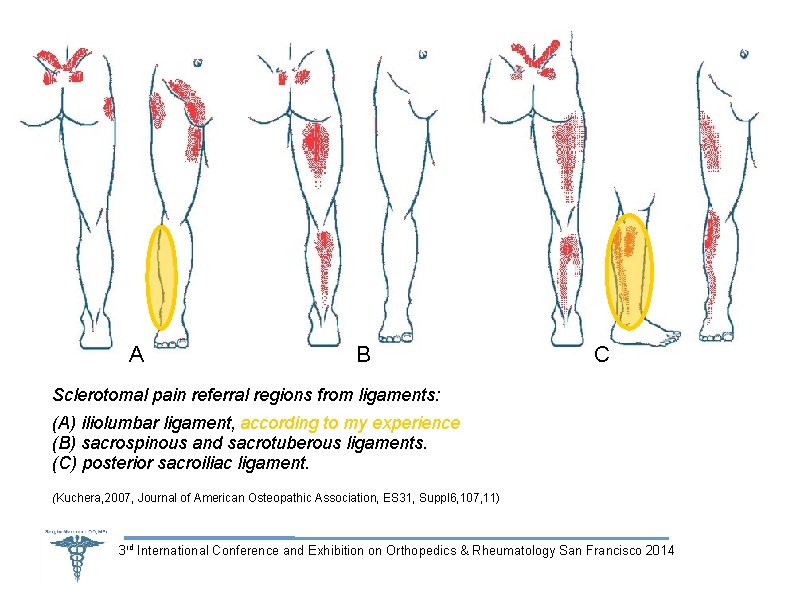
SACROILIAC JOINT BIOMECHANICS AND ITS POTENTIAL CLINICAL IMPLICATIONS

Si Joint Pain Referral Patterns
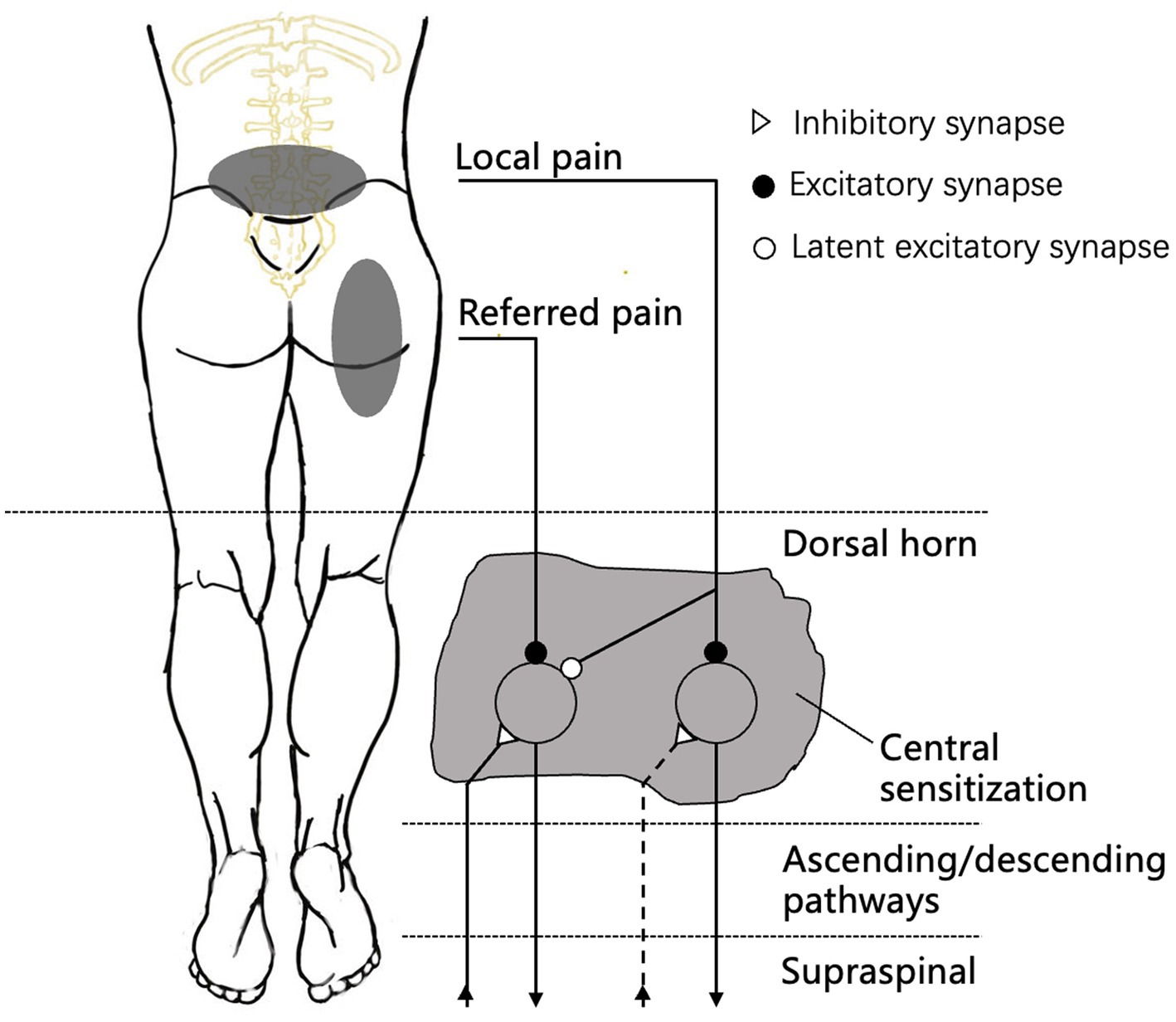
Si Joint Pain Referral Patterns
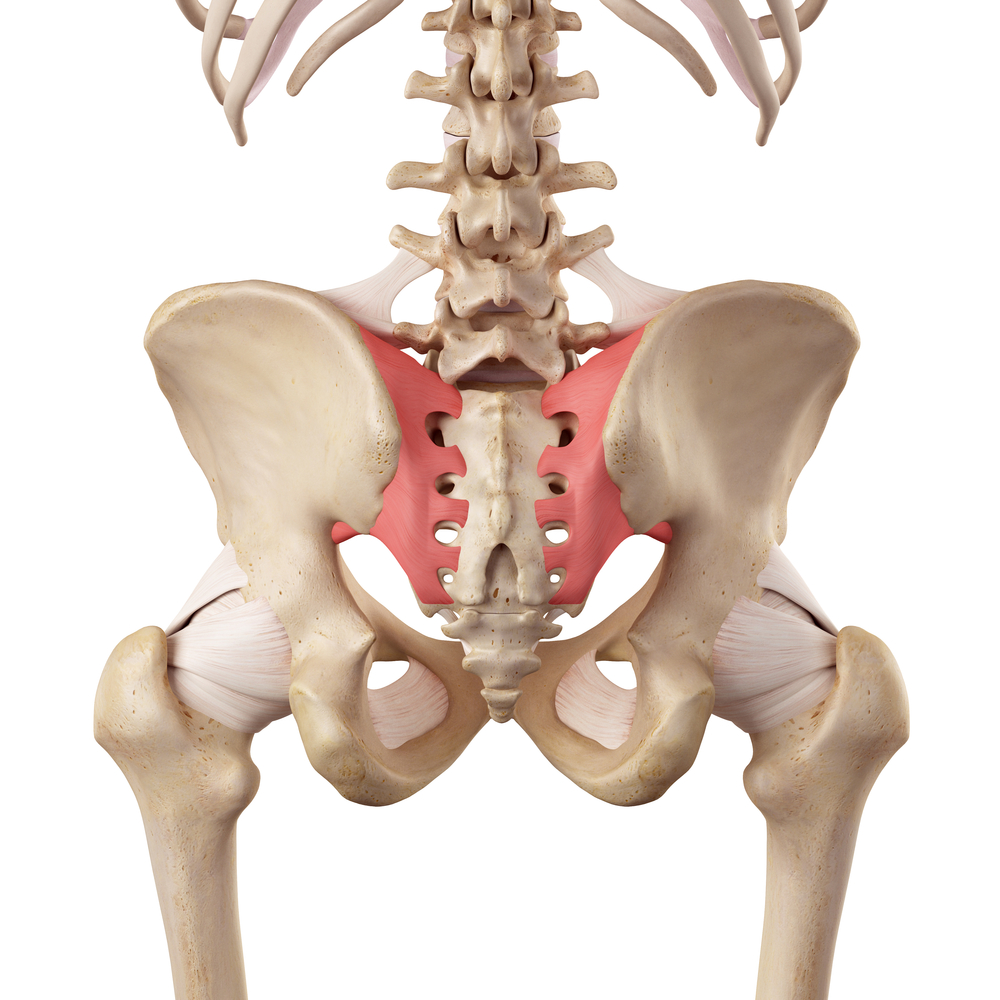
The Sacroiliac Joint
A Comprehensive Recognition Of Referred Pain Is Important For Clinicians When Dealing With It.
Localized Pain Is Not Always A Reliable Presentation, As A 2000 Study Reported 18 Different Pain Referral Patterns From The Si Joint.
It Is Usually Caused By Abnormal Motion (I.e.
Web Sacroiliac Joint Pain Is Most Commonly Felt In The Low Back And Buttock But Can Also Be Referred Into The Thigh And Leg.
Related Post: