
Spindle Apparatus Pattern
Spindle Apparatus Pattern - The pattern is suggestive of autoantibodies to the microtubules and its significance is unclear; The flagellar system of chlamydomonas has proved to be particularly well suited for studying microtubule assembly, function, and motility. Web this pattern has a “spider web” appearance extending from the centriole to the centromeres. Web these are defined patterns and have respective antibody targets, immunological associations, and clinical relevance. Web homogenous (diffuse) pattern suggests sle or other connective tissue diseases. In our study, the spindle fluorescence pattern was present in every patient with positive anti‐msa antibodies. Of these, 116 patients had a conclusive diagnosis. Web anti‐msa antibodies and the fluorescence patterns. Web a homogeneous/peripheral pattern reflects antibodies to histone/dsdna/chromatin, whereas many other specificities found in systemic rheumatic diseases show speckled patterns of various sizes and densities (fine speckled, large speckled, etc.). The most frequent pattern was numa (65/116, 56%) which had the highest ana titres: When active, usually a homogenous pattern on ana or less commonly speckled, rim, or nucleolar when present in high. Web a homogeneous/peripheral pattern reflects antibodies to histone/dsdna/chromatin, whereas many other specificities found in systemic rheumatic diseases show speckled patterns of various sizes and densities (fine speckled, large speckled, etc.). It is found in many disease states, including sle and scleroderma. The prevalence and clinical significance of uncommon or rare patterns, particularly those directed at the mitotic spindle apparatus (msa), are not well understood. However, an association between the spindle fiber pattern and carpal tunnel syndrome has been suggested. Web antinuclear antibodies (ana) are key biomarkers in the evaluation of rheumatic diseases. Web in cell biology, the spindle apparatus is the cytoskeletal structure of eukaryotic cells that forms during cell division to separate sister chromatids between daughter cells. Web these are defined patterns and have respective antibody targets, immunological associations, and clinical relevance. Web antinuclear antibodies (ana) are key biomarkers in the evaluation of rheumatic diseases. Web during cell division, basal bodies migrate to the interior of the cell and function as centrioles by organizing the spindle apparatus. Ana pattern (other than centromere pattern) are not reliably correlated with the presence of specific antibodies and must be further evaluated by eia using individual ena antigens. Web anti‐msa antibodies and the fluorescence patterns. Web a homogeneous/peripheral pattern reflects antibodies to histone/dsdna/chromatin, whereas many other specificities found in systemic rheumatic diseases show speckled patterns of various sizes and densities (fine. The flagellar system of chlamydomonas has proved to be particularly well suited for studying microtubule assembly, function, and motility. Web homogenous (diffuse) pattern suggests sle or other connective tissue diseases. Web antinuclear antibodies (ana) are key biomarkers in the evaluation of rheumatic diseases. The prevalence and clinical significance of uncommon or rare patterns, particularly those directed at the mitotic spindle. The most frequent pattern was numa (65/116, 56%) which had the highest ana titres: Web antinuclear antibodies (ana) are key biomarkers in the evaluation of rheumatic diseases. Web this pattern has a “spider web” appearance extending from the centriole to the centromeres. Web these are defined patterns and have respective antibody targets, immunological associations, and clinical relevance. However, an association. Web these are defined patterns and have respective antibody targets, immunological associations, and clinical relevance. Speckled pattern correlates with antibody to nuclear antigens extractable by saline; However, an association between the spindle fiber pattern and carpal tunnel syndrome has been suggested. Web a homogeneous/peripheral pattern reflects antibodies to histone/dsdna/chromatin, whereas many other specificities found in systemic rheumatic diseases show speckled. Of these, 116 patients had a conclusive diagnosis. Web anti‐msa antibodies and the fluorescence patterns. Web homogenous (diffuse) pattern suggests sle or other connective tissue diseases. Speckled pattern correlates with antibody to nuclear antigens extractable by saline; When active, usually a homogenous pattern on ana or less commonly speckled, rim, or nucleolar when present in high. It is found in many disease states, including sle and scleroderma. Web antinuclear antibodies (ana) are key biomarkers in the evaluation of rheumatic diseases. The pattern is suggestive of autoantibodies to the microtubules and its significance is unclear; Web in cell biology, the spindle apparatus is the cytoskeletal structure of eukaryotic cells that forms during cell division to separate sister. Web antinuclear antibodies (ana) are key biomarkers in the evaluation of rheumatic diseases. Web antinuclear antibodies (ana) are key biomarkers in the evaluation of rheumatic diseases. Of these, 116 patients had a conclusive diagnosis. Web this pattern has a “spider web” appearance extending from the centriole to the centromeres. Web a homogeneous/peripheral pattern reflects antibodies to histone/dsdna/chromatin, whereas many other. Web these are defined patterns and have respective antibody targets, immunological associations, and clinical relevance. The pattern is suggestive of autoantibodies to the microtubules and its significance is unclear; Web this pattern has a “spider web” appearance extending from the centriole to the centromeres. The flagellar system of chlamydomonas has proved to be particularly well suited for studying microtubule assembly,. However, some other fluorescence patterns were also observed in. Web these are defined patterns and have respective antibody targets, immunological associations, and clinical relevance. When active, usually a homogenous pattern on ana or less commonly speckled, rim, or nucleolar when present in high. Speckled pattern correlates with antibody to nuclear antigens extractable by saline; Web these are defined patterns and. Of these, 116 patients had a conclusive diagnosis. The pattern is suggestive of autoantibodies to the microtubules and its significance is unclear; Web during cell division, basal bodies migrate to the interior of the cell and function as centrioles by organizing the spindle apparatus. Web antinuclear antibodies (ana) are key biomarkers in the evaluation of rheumatic diseases. Web homogenous (diffuse). The pattern is suggestive of autoantibodies to the microtubules and its significance is unclear; Web anti‐msa antibodies and the fluorescence patterns. The prevalence and clinical significance of uncommon or rare patterns, particularly those directed at the mitotic spindle apparatus (msa), are not well understood. When active, usually a homogenous pattern on ana or less commonly speckled, rim, or nucleolar when present in high. Web this pattern has a “spider web” appearance extending from the centriole to the centromeres. Web antinuclear antibodies (ana) are key biomarkers in the evaluation of rheumatic diseases. Of these, 116 patients had a conclusive diagnosis. Web in cell biology, the spindle apparatus is the cytoskeletal structure of eukaryotic cells that forms during cell division to separate sister chromatids between daughter cells. Web these are defined patterns and have respective antibody targets, immunological associations, and clinical relevance. Web a homogeneous/peripheral pattern reflects antibodies to histone/dsdna/chromatin, whereas many other specificities found in systemic rheumatic diseases show speckled patterns of various sizes and densities (fine speckled, large speckled, etc.). The flagellar system of chlamydomonas has proved to be particularly well suited for studying microtubule assembly, function, and motility. Web homogenous (diffuse) pattern suggests sle or other connective tissue diseases. Web antinuclear antibodies (ana) are key biomarkers in the evaluation of rheumatic diseases. The most frequent pattern was numa (65/116, 56%) which had the highest ana titres: Web these are defined patterns and have respective antibody targets, immunological associations, and clinical relevance. However, an association between the spindle fiber pattern and carpal tunnel syndrome has been suggested.
PPT Cell Division and Mitosis PowerPoint Presentation, free download
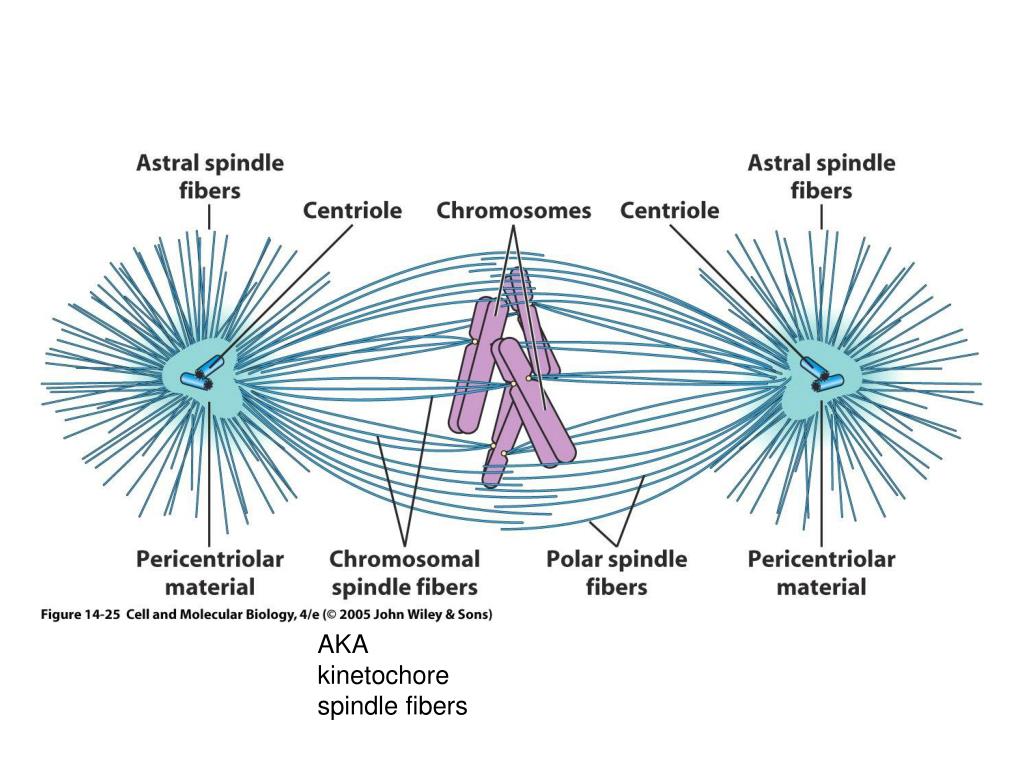
PPT Chapter 14 Cellular reproduction PowerPoint Presentation, free
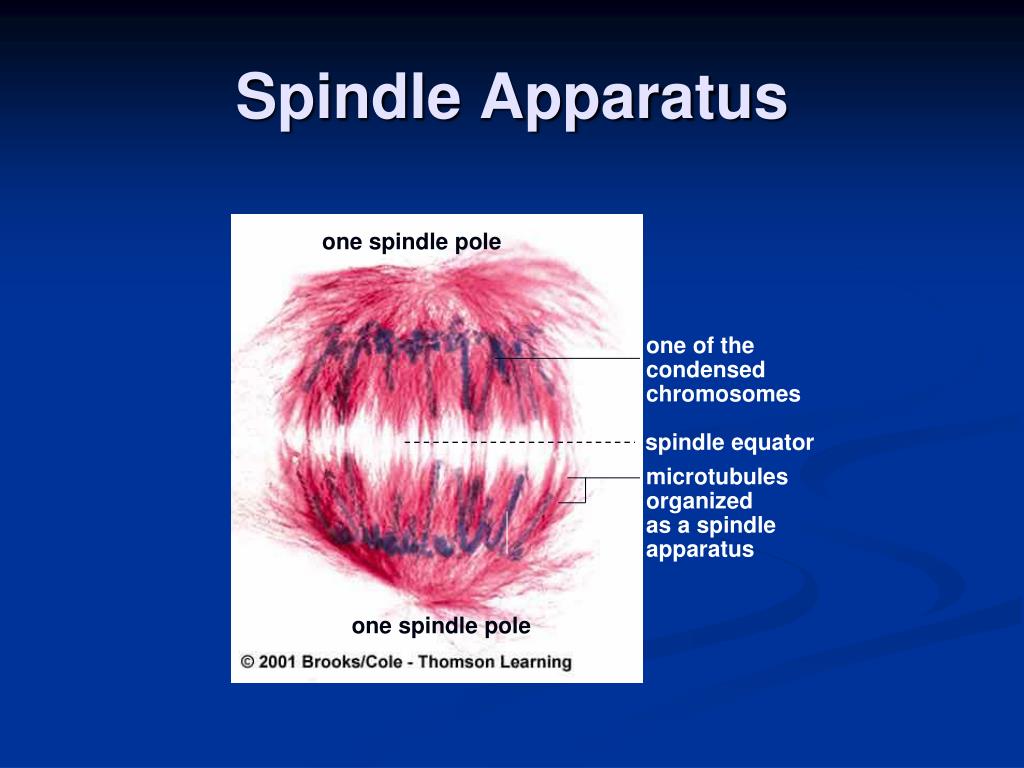
PPT Cell Division and Mitosis PowerPoint Presentation, free download
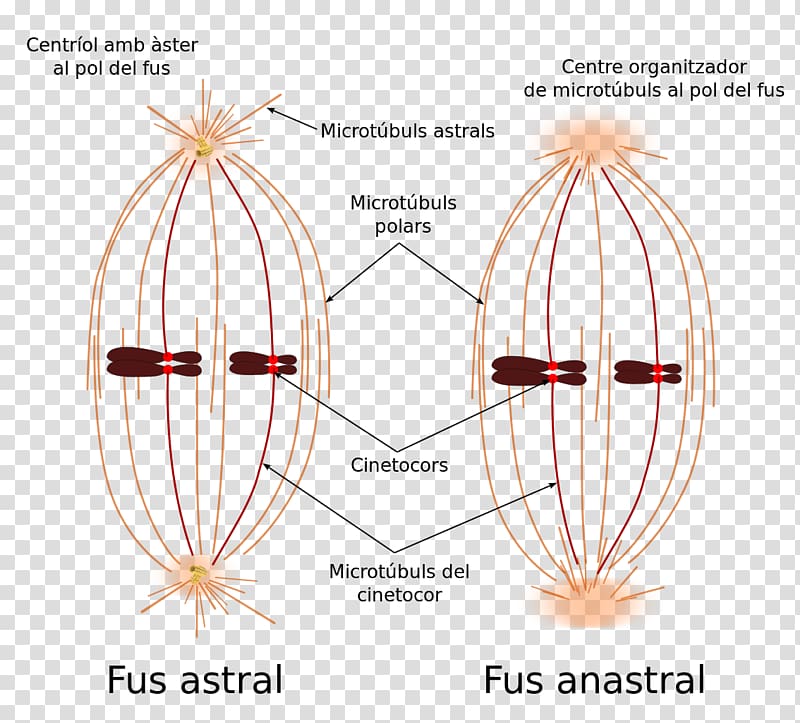
Spindle apparatus Mitosis Microtubule Fusée transparent

PPT The Cell Cycle PowerPoint Presentation, free download ID3476598

Spindle Apparatus Mitosis Microtubule PNG, Clipart
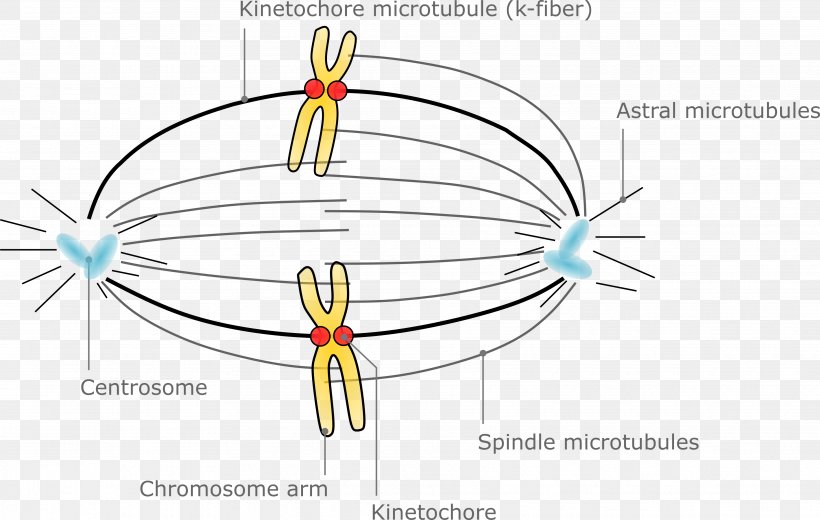
Meiotic Spindle

FileSpindle apparatus.svg Wikimedia Commons

Spindelapparat Zentriol Zellteilung Chromosom, Spindel, Winkel, Bereich

Mechanisms of mitotic spindle assembly and function. Semantic Scholar
The Prevalence And Clinical Significance Of Uncommon Or Rare Patterns, Particularly Those Directed At The Mitotic Spindle Apparatus (Msa), Are Not Well Understood.
It Is Found In Many Disease States, Including Sle And Scleroderma.
Ana Pattern (Other Than Centromere Pattern) Are Not Reliably Correlated With The Presence Of Specific Antibodies And Must Be Further Evaluated By Eia Using Individual Ena Antigens.
In Our Study, The Spindle Fluorescence Pattern Was Present In Every Patient With Positive Anti‐Msa Antibodies.
Related Post: